

Sacrificing Canadian Agriculture for Photo Ops


“We are only going to accept the best deal for Canada.”
That was Prime Minister Mark Carney’s promise on trade. Canadians should expect every negotiation to be judged by one question: does it strengthen Canada?
Yet on the proposed Mercosur trade deal, the Liberal government appears ready to abandon that principle.
Instead of pursuing the best deal for Canada, the Prime Minister seems focused on the fastest deal for himself— one that allows him to stand at a podium, sign an agreement and claim a political win.
Negotiations with Mercosur, the South American trade bloc made up of Argentina, Bolivia, Paraguay and Uruguay, are expected to enter their final stages at the end of May. If this deal proceeds in its current form, communities across Southern Alberta will pay the price.
That includes Lethbridge County, home to Alberta’s renowned “Feedlot Alley.”
Southern Alberta’s beef sector was built over generations through hard work, investment, and innovation. Producers operate under some of the highest standards in the world for animal care, food safety and environmental stewardship. These operations support thousands of jobs, local businesses and rural communities.
I have visited many of these feedlots and seen firsthand the professionalism and care that define them. These are world-class producers.
Now they may be forced to compete against imports from some of the world’s lowest cost beef producers, where standards for labour, food safety, sustainability and animal care often do not match Canada’s.
That is not fair competition. It is Ottawa asking Canadian producers to compete with one hand tied behind their backs.
When lower cost imports enter Canada under those conditions, they do not simply create competition. They distort the market and drive down prices for Canadian producers, while offering little meaningful reciprocal access for our beef abroad.
So where is the “best deal for Canada?”
There is another serious risk.
Canada’s most important trade relationship remains with the United States, and the upcoming CUSMA review will be critical. This is hardly the moment to create unnecessary trade irritants.
Approximately half of all beef produced in Canada is exported, and most of that goes to the United States. If Canada opens the door wider to offshore imports that undermine North American supply chains, Washington will notice.
Why would any government risk Canada’s most important agricultural export market for the sake of a secondary trade announcement?
The same reckless logic applies to Alberta’s sugar beet industry.
Too often overlooked, sugar beet production is a cornerstone of Southern Alberta’s economy. It supports more than 2,000 jobs and contributes hundreds of millions in economic activity.
Yet global sugar markets are already under pressure, with Brazil increasing sugar output and driving prices lower. Alberta producers are already feeling that squeeze.
A Mercosur deal that allows even more low-cost imports into Canada would intensify the pressure and further weaken domestic producers.
From beef to sugar, the pattern is clear. Canadian industries absorb the risk. Rural communities shoulder the uncertainty. Workers face the consequences.
And what does the Prime Minister gain?
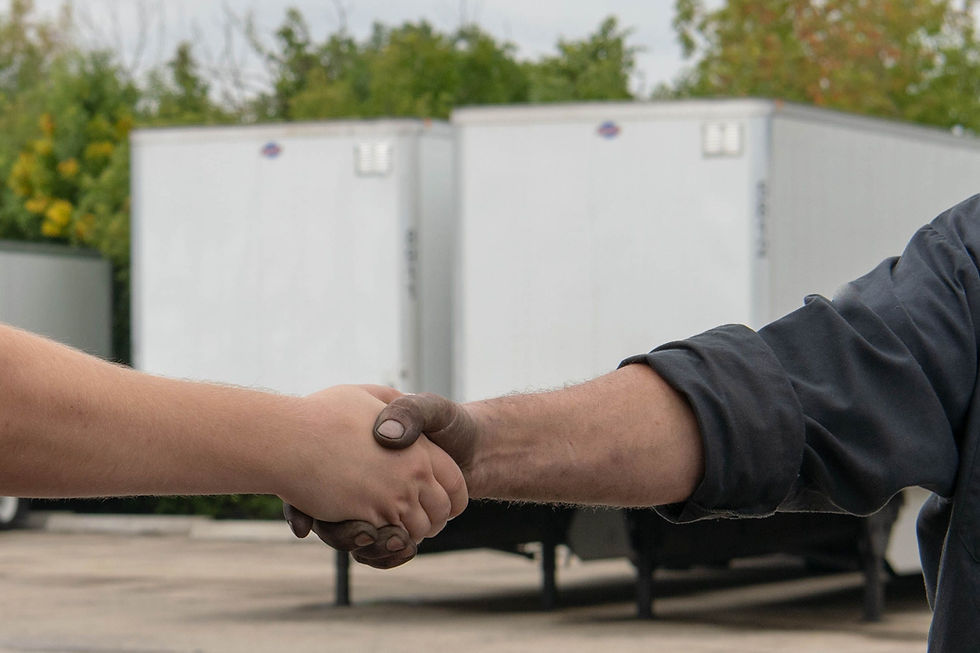
A press conference. A handshake. A headline.
That may be enough for a government focused on optics. It should not be enough for a country that depends on agriculture.
Trade deals should expand opportunity, protect strategic industries and strengthen Canada’s long-term position. They should not be negotiated as vanity projects designed for cameras and talking points.
If the Prime Minister truly means what he said, that Canada will accept only the best deal, then he should prove it now.
This means standing up for Canadian cattle producers. It means defending Alberta’s sugar beet farmers. It means protecting our relationship with the United States. It means rejecting any agreement that asks Canadian agriculture to sacrifice competitiveness so the government can check a box and line up for a photo.
Because a bad deal with a nice photo is still a bad deal.
As negotiations reach their final stage, the government must decide whether it is governing for Canadians or campaigning for cameras.
I kindly urge you to write to the Minister of International Trade, the Honourable Maninder Sidhu, at Maninder.Sidhu@parl.gc.ca and advocate for our beef and sugar beet industries.


Comments